 0804581645008045816450
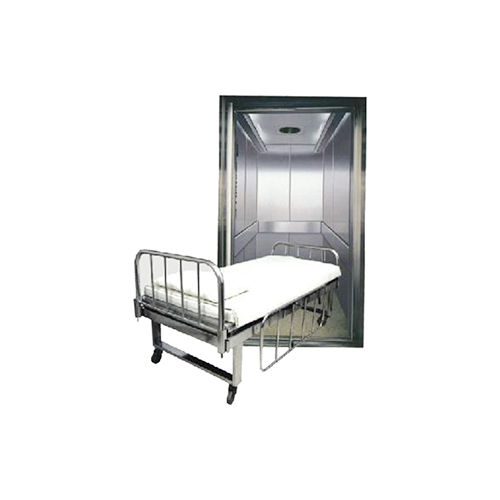
Hospital Lift
Product Details:
- Overhead Height 4500 mm (Min)
- Machine Room Size 2200 x 3200 mm
- Type Hydraulic or Traction
- Pit Depth 1500 mm (Min)
- Noise Level Less than 60 dB
- Load Capacity 630 - 2000 kg
- Hoist Way Size 2000 x 2600 mm
- Click to View more
X
Hospital Lift Price And Quantity
- 1 Piece
Hospital Lift Product Specifications
- Emergency Stop, Overload Sensor, Interlock, Door Safety Edge
- Less than 60 dB
- 3 Phase, 50-60 Hz
- 1500 mm (Min)
- VVVF Drive
- Stainless Steel Cabin, MS Painted Structure
- Hydraulic or Traction
- 20 - 60 m
- 2200 x 3200 mm
- 0.5 - 1.5 m/s
- 8 to 26 Persons
- 4500 mm (Min)
- Hospital, Patient Stretcher, Bed Transportation
- 380V / 220V
- Customizable (Standard: 1400 x 2400 mm)
- 0° (Vertical)
- Hospital Lift
- 630 - 2000 kg
- 2000 x 2600 mm
- 900 x 2100 mm
- Microprocessor Controller
- 2000 kg
- -10°C to +50°C
- Micro-Touch/Push Button system
- LED Lighting
- LED/LCD Floor Indicator
- Provided, Stainless Steel
- Automatic Emergency Lowering Device (Optional)
- PVC / Anti-skid
- ISI, EN 81-1/2 Standards
- Automatic Center Opening
- Hairline Finish Stainless Steel
- Provided
- Automatic / Manual Selectable
Hospital Lift Trade Information
- 10 Piece Per Month
- 1 Week
- All India
Product Description
Hospital lifts are designed to lift and transfer patients from one place to another Stretcher Lift means a lift that can accommodate a raised stretcher with a patient lying on it horizontally by providing a clear space not less than 600mm wide x 2000mm long x 1400mm high above the floor level. Stretcher elevators are a great help in hospitals as they help save time and lives. Many times the patient has to be carried on a stretcher to different floors and these elevators help make it possible as travelling through stairs is risky and time consuming Benefits of stretcher elevator are
Saves time
Saves life
Multi-storied movement of patients is possible
Urgent Requirements of medical attention possible
Quick Transportation possible
It allows heavy patients to be transferred while decreasing stress on caregivers, while also reducing the number of nursing staff required to move patients. It also reduces the chance of orthopedic injury from lifting patients.
Speed range of Hospital lift is 0.5m/sec to 1.o m/sec. There are 2 types of stretcher Lifts by application used depending on space and height available
Traction Lift and
Advanced Safety Features
Safety is a priority in our hospital lifts. Each unit includes emergency stop functions, overload sensors, interlocks, and door safety edges, minimizing risk during patient transportation. Automatic emergency lowering ensures continued operation in power outages, offering peace of mind for medical staff and patients alike.
Versatile and Durable Construction
Constructed with hairline finish stainless steel and a robust MS painted structure, the lift promises longevity and hygiene. Customizable car dimensions and anti-skid flooring meet hospital requirements, making the system adaptable to any medical facilitys unique needs.
Efficient Operation and User Comfort
Our hydraulic or traction hospital lifts operate smoothly at 0.51.5 m/s and are fitted with noise-reducing technology, maintaining levels under 60 dB. Micro-touch/push button controls facilitate easy operation whether automatic or manual, ensuring comfort for both patients and staff.
FAQs of Hospital Lift:
Q: How does the automatic center opening door enhance hospital lift usage?
A: The automatic center opening door allows quick and unobstructed entry and exit, which is essential for stretcher and bed transportation in hospitals. Its smooth operation reduces delay and helps medical staff transfer patients efficiently.Q: What safety mechanisms are included in the hospital lift?
A: Our hospital lift is equipped with an emergency stop device, overload sensor, interlock systems, and door safety edges. An optional automatic emergency lowering device enables safe evacuation during power failures, ensuring patient and staff protection.Q: When is manual operation used, and how does it switch from automatic?
A: Manual operation is utilized during maintenance or in specific scenarios requiring direct control. The lift features a selectable mode via its control panel, allowing users to switch seamlessly between automatic and manual as needed.Q: Where can the hospital lift be installed, and is customization possible?
A: The lift can be installed in hospitals, clinics, and medical centers. Its flexible design allows customization of car and door dimensions, making it suitable for various infrastructure layouts and transportation needs.Q: What is the process for maintaining hygiene and durability in the lift cabin?
A: The cabin features a hairline finish stainless steel and PVC or anti-skid flooring, both of which are resistant to stains and corrosion. Regular cleaning and periodic maintenance keep the cabin safe and hygienic for patient transfer.Q: Which benefits do LED/LCD floor indicators and microprocessor control offer?
A: LED/LCD indicators clearly display the lifts position, aiding quick response during emergencies. The microprocessor-controlled panel facilitates reliable, user-friendly operations with advanced error detection and system efficiency.Q: How does the VVVF drive contribute to the lifts performance?
A: The Variable Voltage Variable Frequency (VVVF) drive ensures smooth acceleration and deceleration, low noise operation, and improved energy efficiencyresulting in comfortable rides for patients and minimal disturbance in hospital settings.Tell us about your requirement

Price:
Quantity
Select Unit
- 50
- 100
- 200
- 250
- 500
- 1000+
Additional detail
Mobile number
Email

Other Products in 'Hospital Lift' category
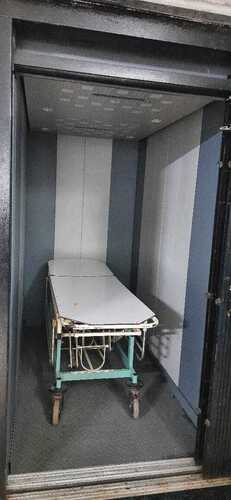

 Contact Us
- B Type Building-308, 3Rd Floor, Udyog Bhawan-1, Anand Nagar,Ambernath - 421506, Maharashtra, India
- Phone : 08045816450
AMPLO ELEVATORS
GST : 27ABHFA9204A1ZV
GST : 27ABHFA9204A1ZV

- Mr. Pravin Arunachal (CEO)
- Mobile : 08045816450
-
 Send Inquiry
- Factory Address :-Plot No K3 A Wing ,
F7 Udyog Bhavan 2 Additional Ambernath
MIDC Anand Nagar Ambernath
East District Thane Maharashtra 421506
 Send Inquiry Products
 Send Inquiry
 Send SMS
AMPLO ELEVATORS
All Rights Reserved.(Terms of Use)
Developed and Managed by Infocom Network Private Limited.
Developed and Managed by Infocom Network Private Limited.

